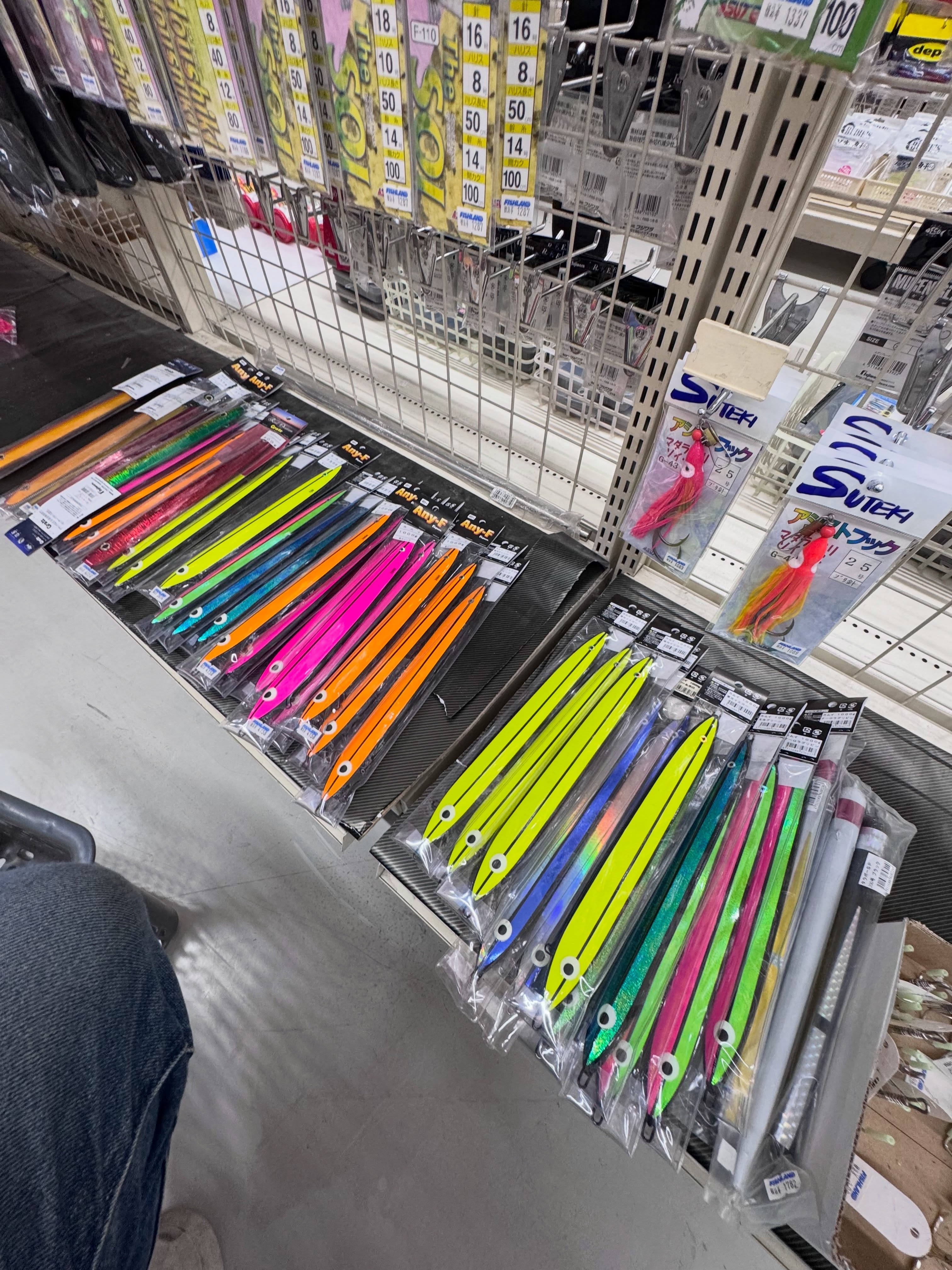
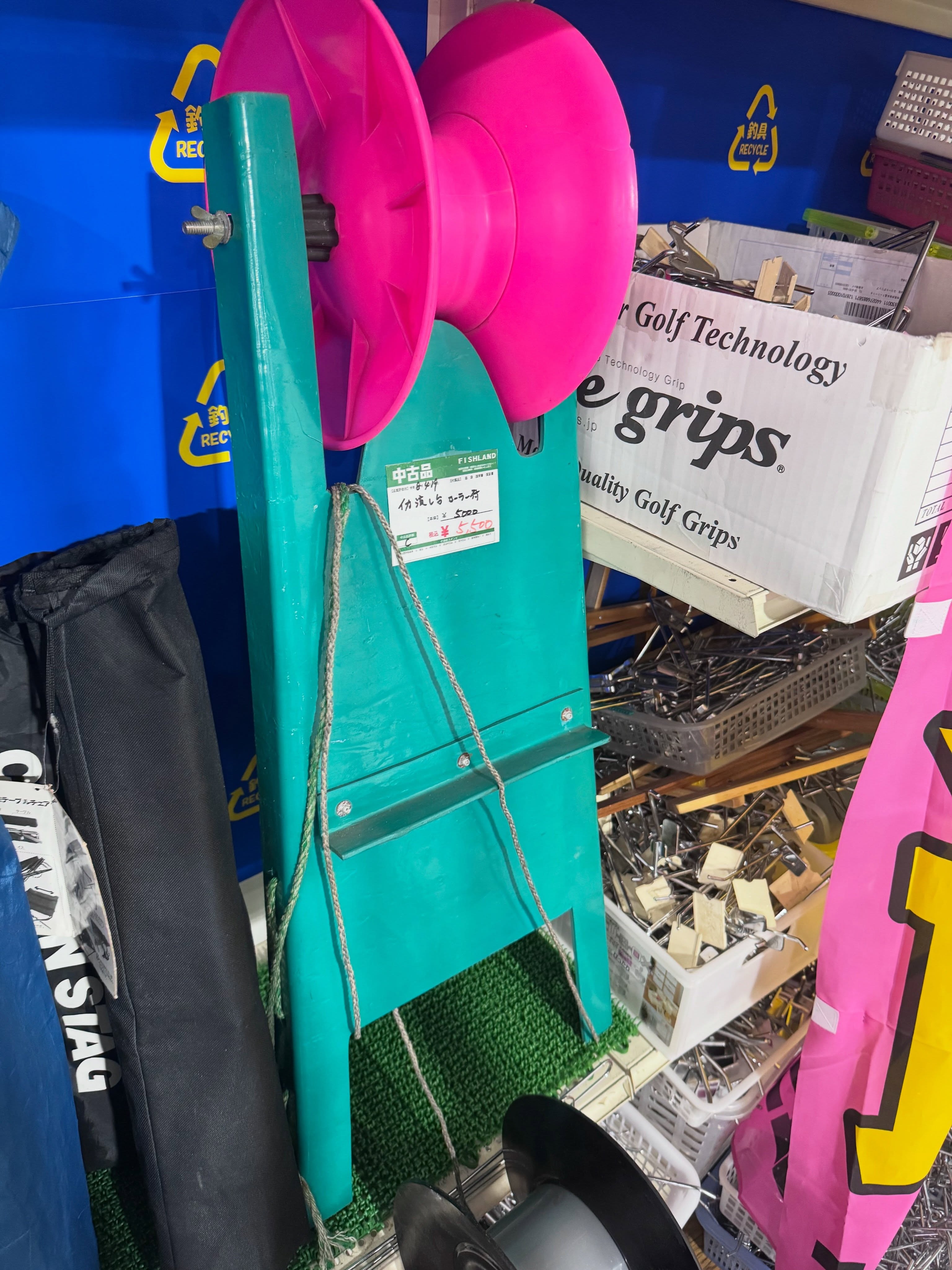
I walked into Fishland, a local Hokkaido tackle chain, expecting Sealand in Okinawa — big, a little fashion-forward, the kind of place where the lighting and the layout are part of the experience, but you can still dig out region-specific gear you won’t find anywhere else.
The scale was there. The fashion was not. Strip away the styling — the lighting, the displays, the flooring, even the way the product range was arranged — and what’s left is a big, plain hardware floor. As a shopping experience, I came away a little flat.
Where it actually delivered
The local gear, though, scored full marks. This is the reason to walk a tackle shop in a place you’ll never fish regularly: the wall tells you how people here actually fish, and half of it makes no sense until you stand in front of it.
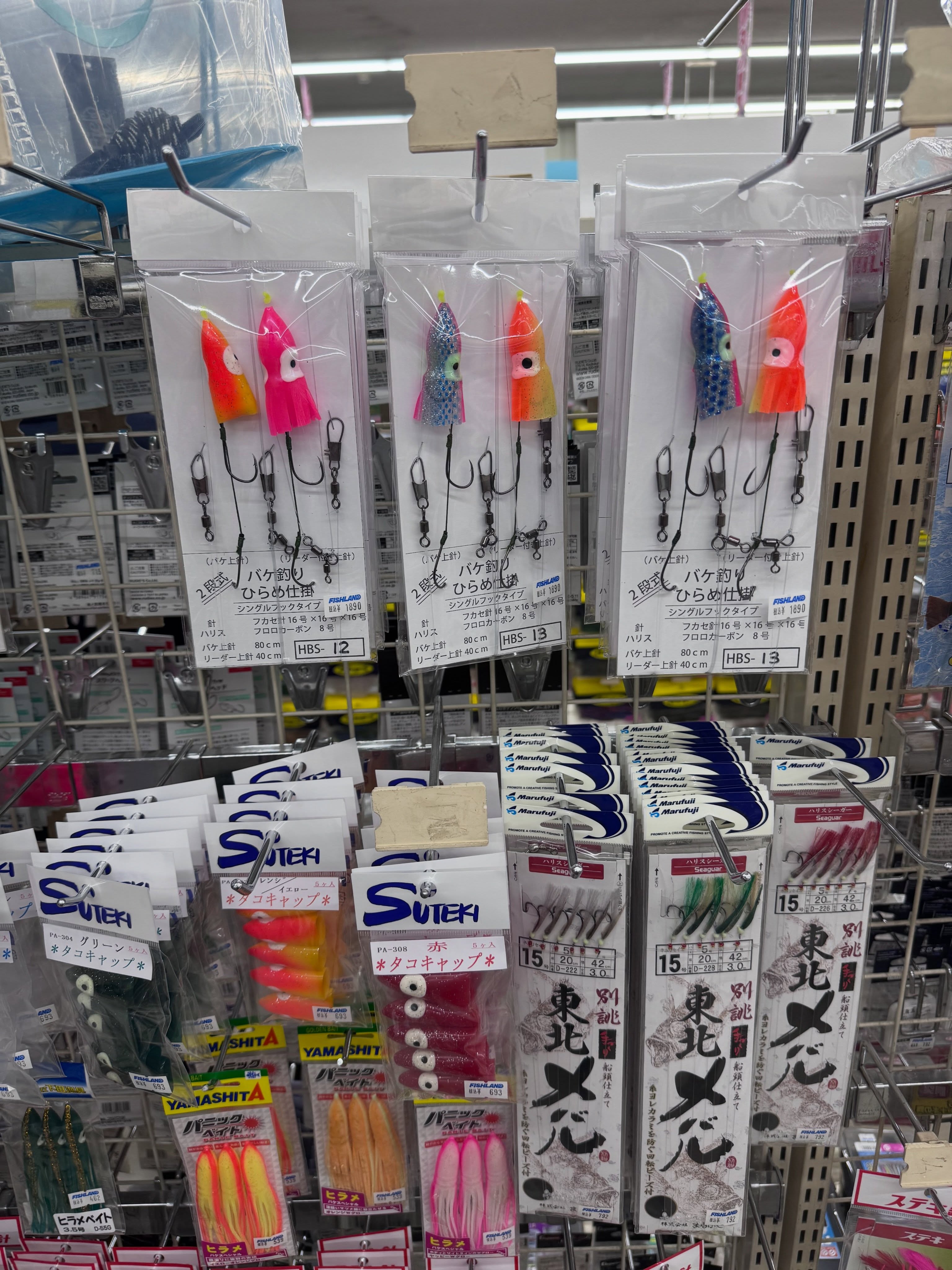
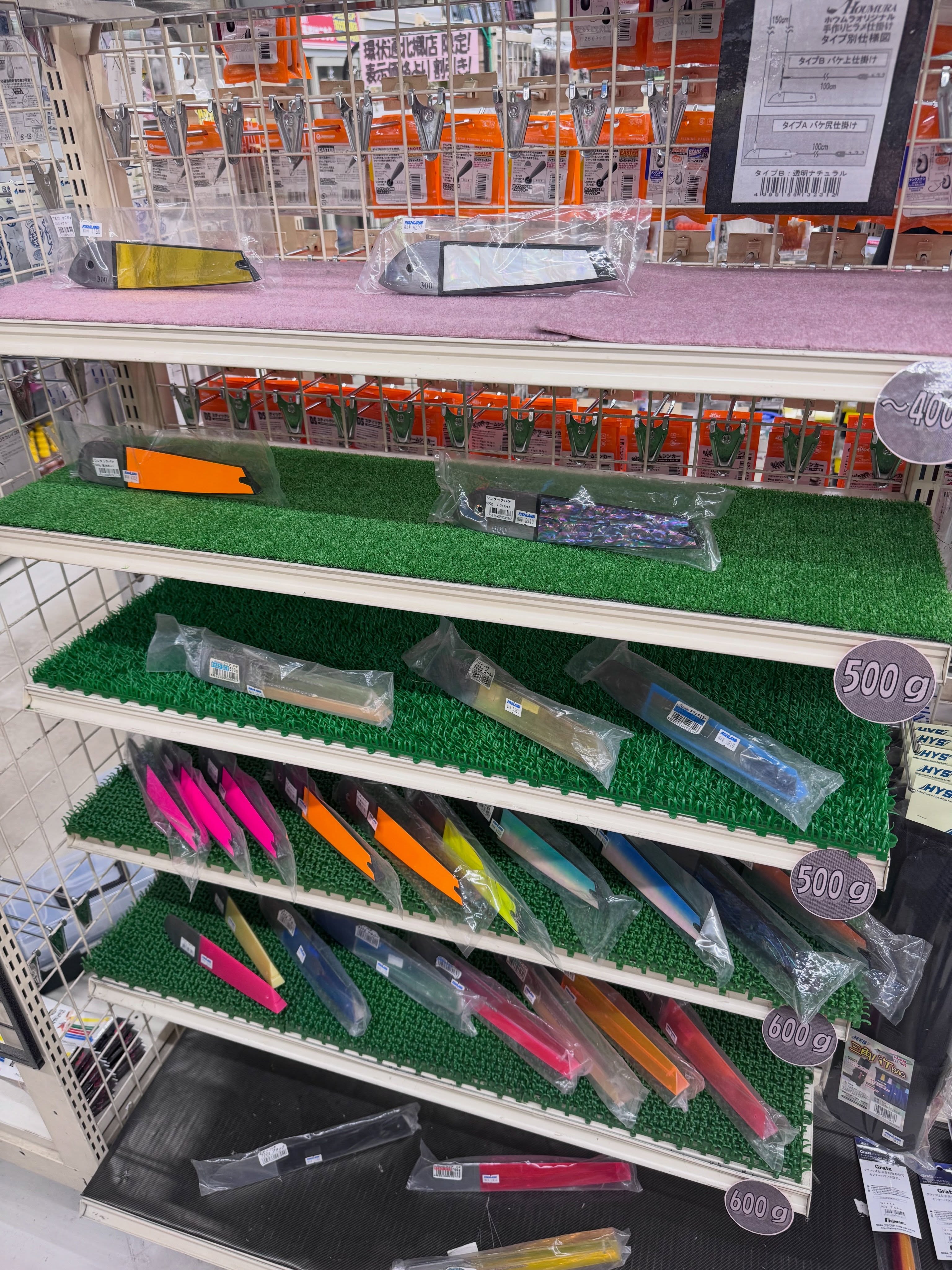
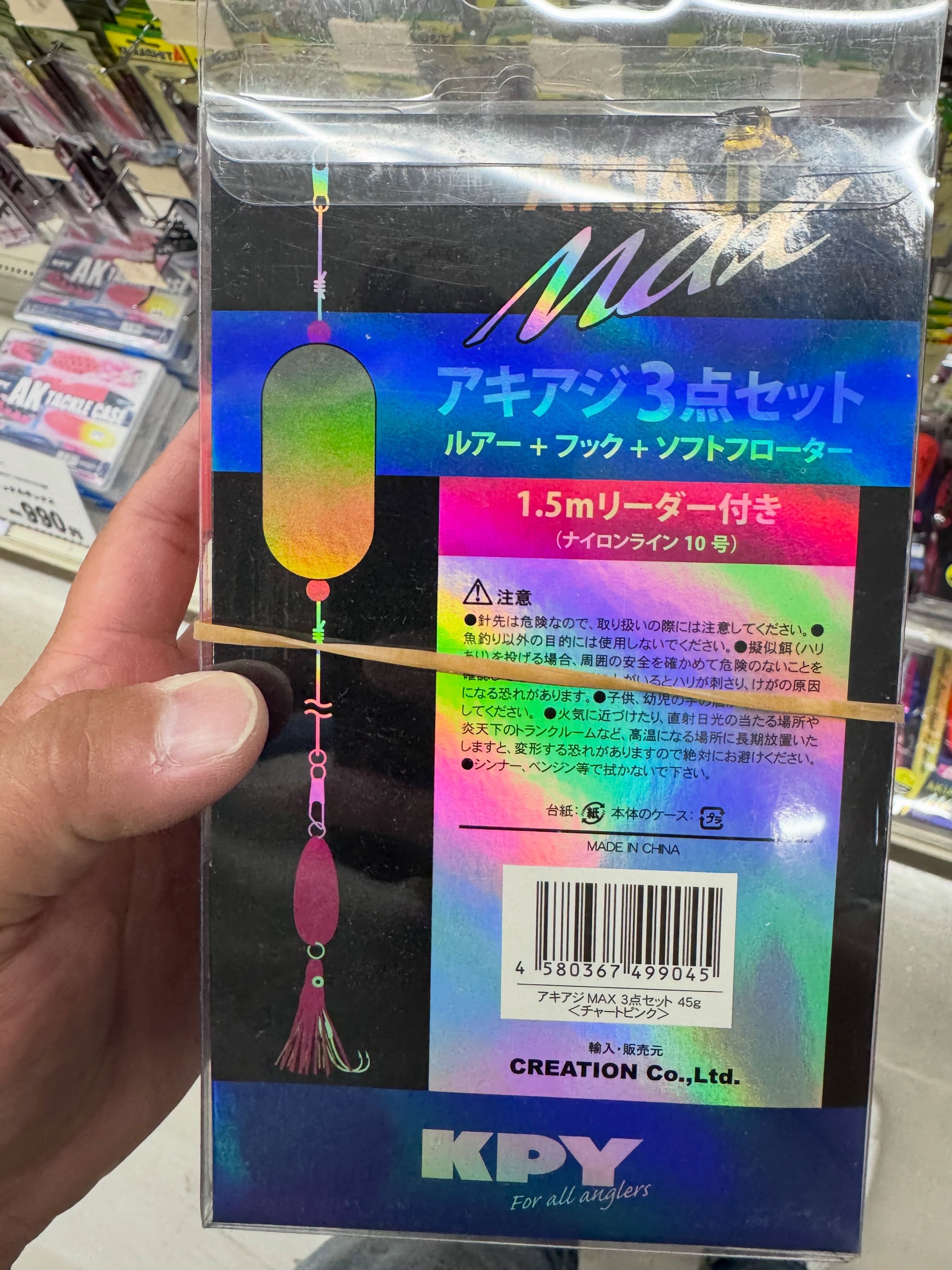
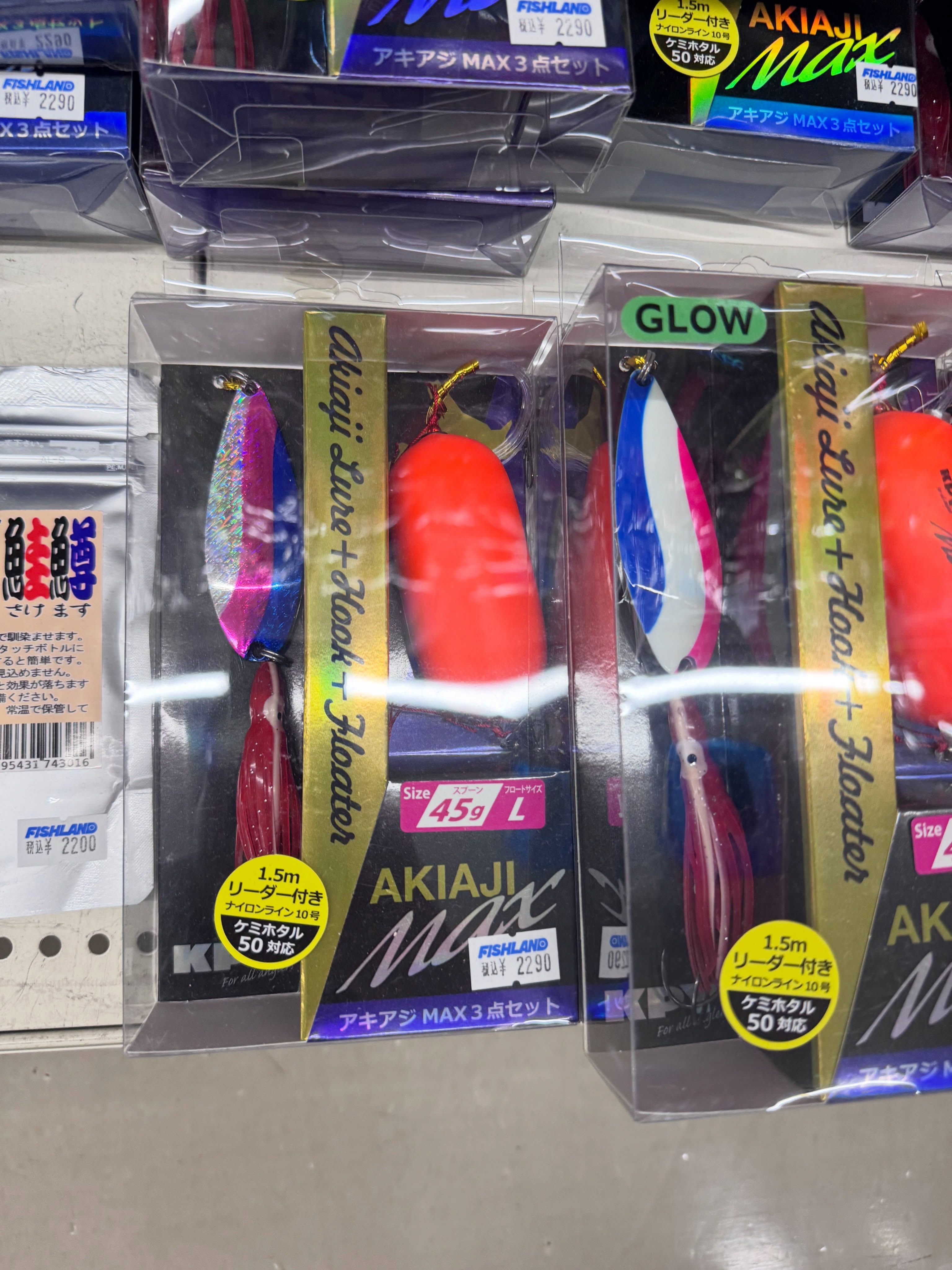
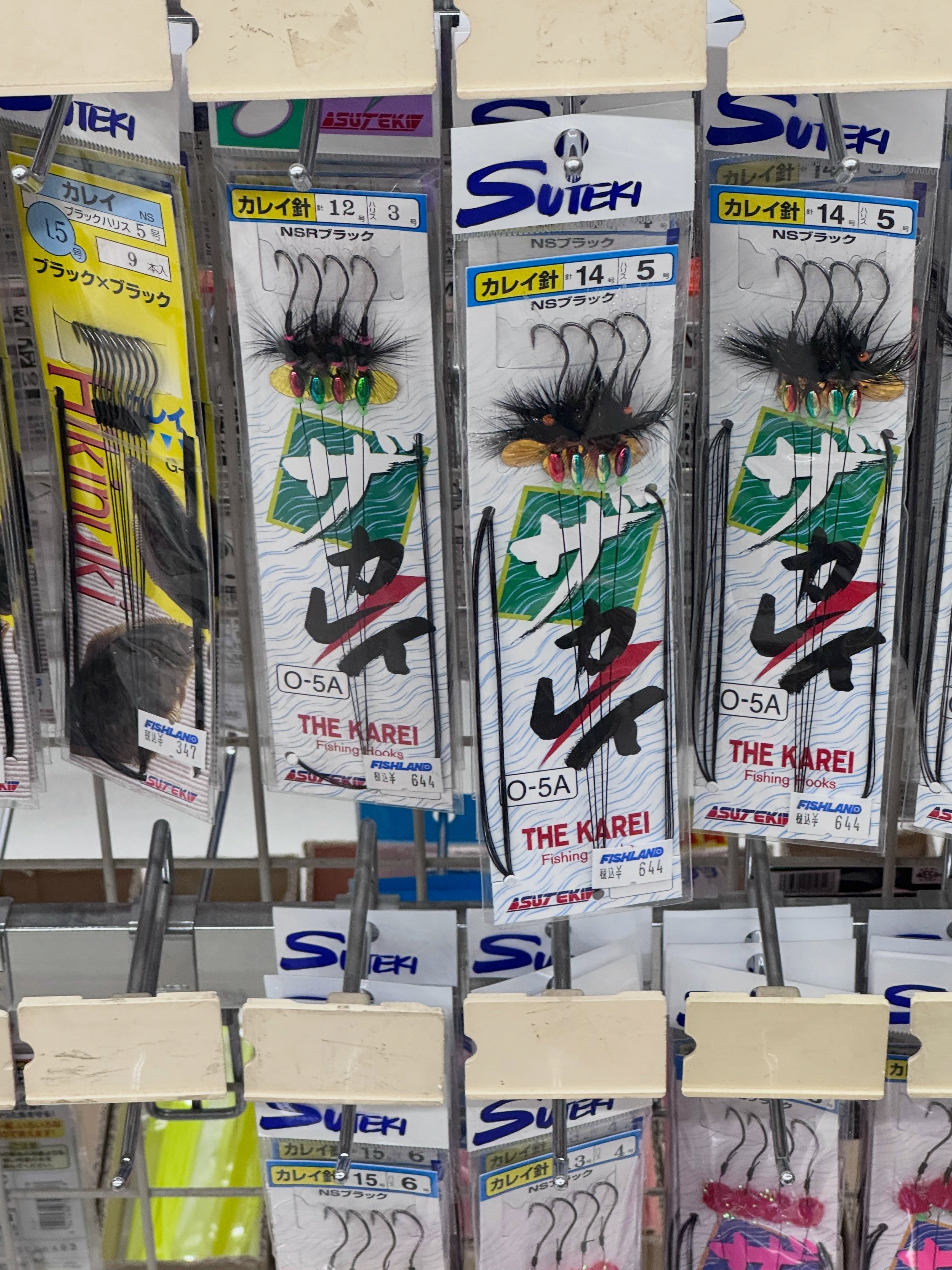
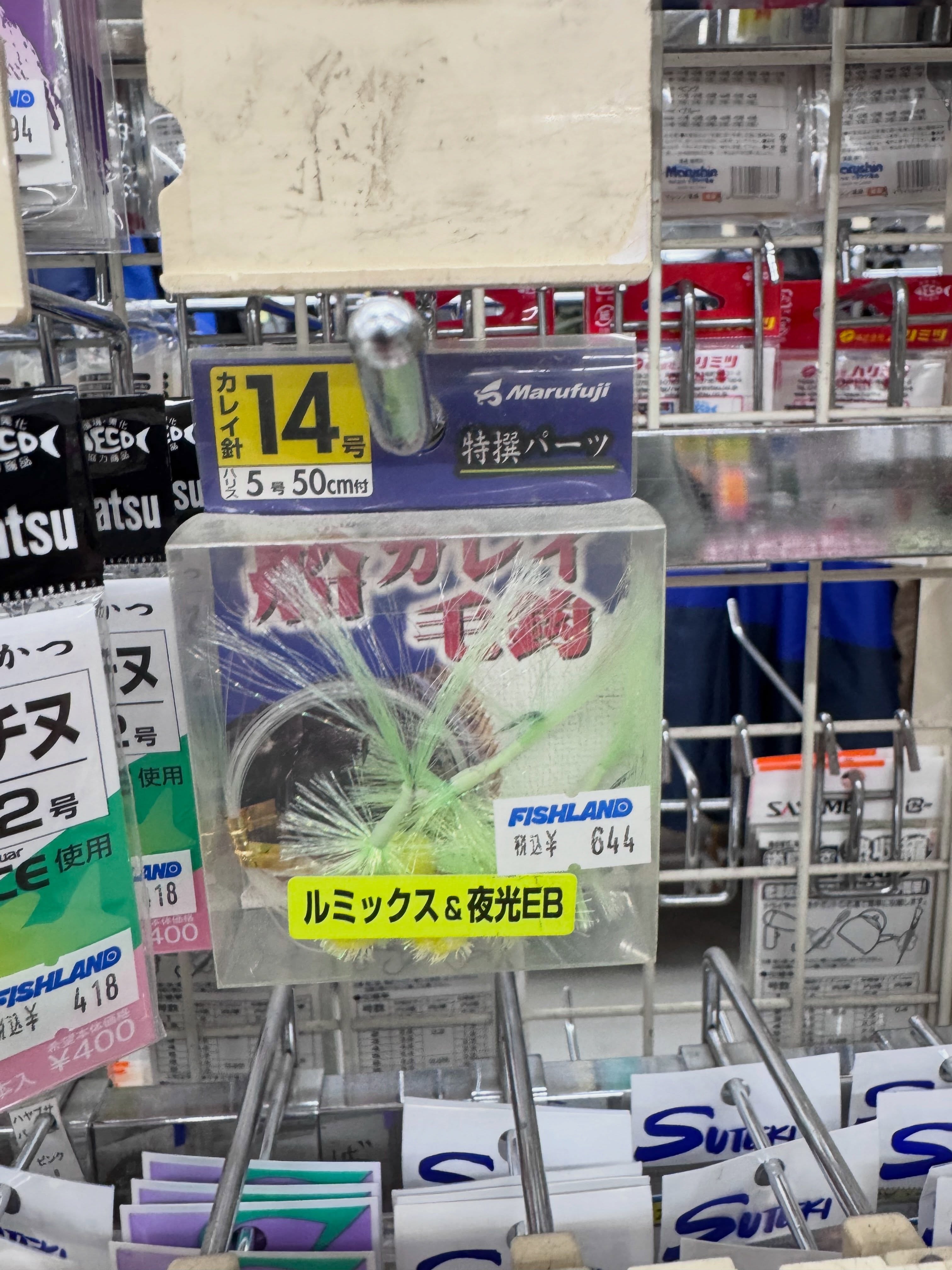
I found things I will never use in a Taiwanese lifetime. Squid rigs with the whiskers deliberately trimmed off — the squid here is the lure, not the target; trimming the tentacles sharpens the profile into what local flounder hit. Heavy three-sided bottom-dragging sinkers built specifically for boat flounder fishing, the kind of weight that keeps a rig pinned to a sand bottom in current. Salmon rigs pairing a float with an oversized spoon, a combination that belongs to a fishery Taiwan simply doesn’t have. And boat-fishing fly rigs — which sounds unremarkable until you see them, because they’re nothing like the sabiki feather rigs I know. Different feathers, different intent, a completely different fish in mind.
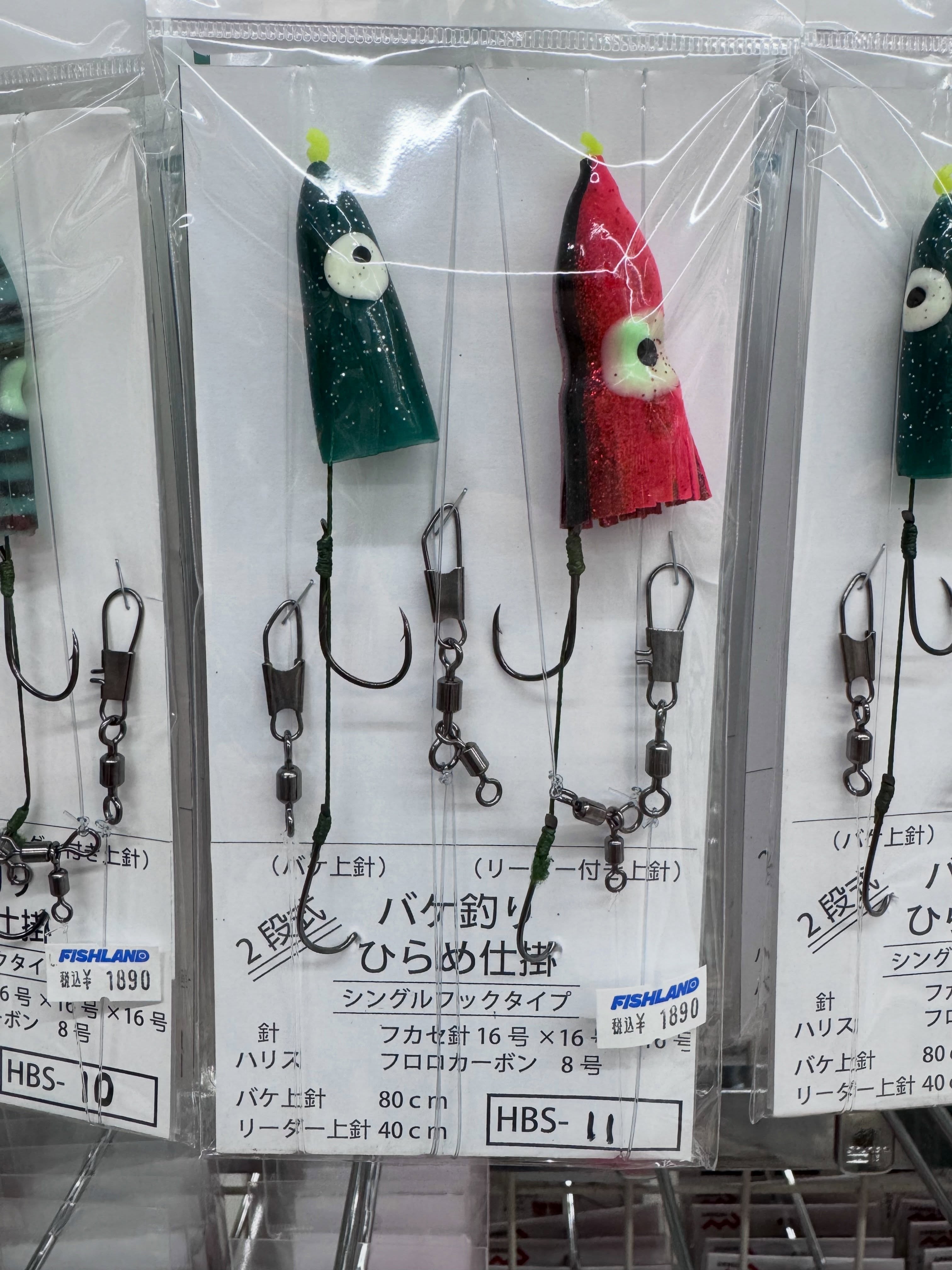
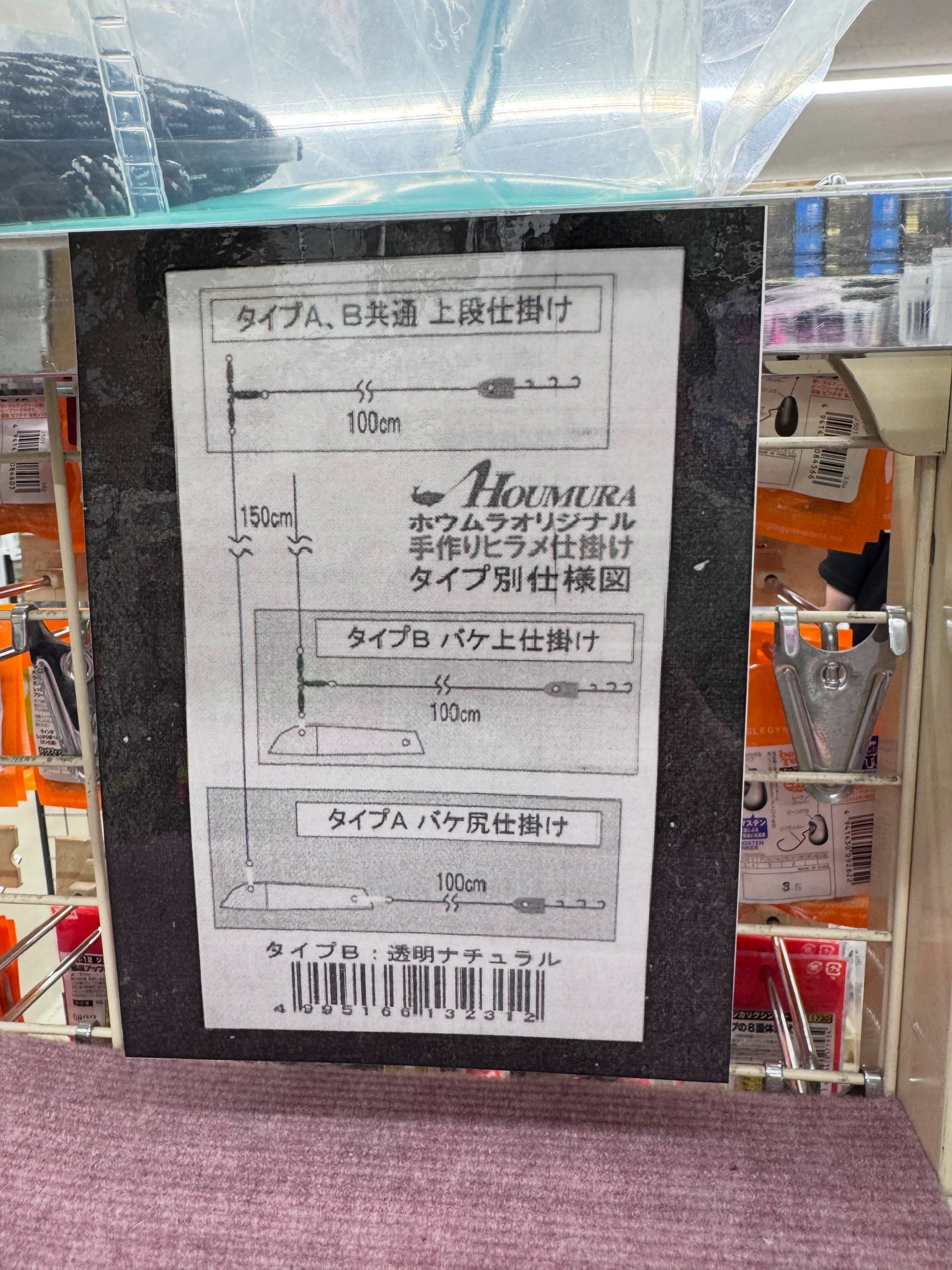
The packaged rigs on the shelf in front of me made the point cleanly: two-stage flounder rigs — ひらめ仕掛 — built around squid-skirt lures in green and red-pink with glow eyes, single hooks, swivels, fluorocarbon leader, around ¥1890 a pack. In Taiwan we mostly chase flounder on soft plastics dragged slow along sand. Here the local answer is a purpose-built rig with a squid imitation and a glow trigger, designed around how Hokkaido flounder hold and feed over cold northern sand bottoms. Same family of fish, completely different playbook.
An experience-first shop
That’s the honest summary: Fishland is an experience-first stop, not a shopping one. You don’t go to fill your tackle box — almost none of this comes home to a fishery that can use it. You go to read the wall.
And reading the wall is its own kind of fishing. Every region encodes its water in its tackle — the sinker weight tells you the current, the rig length tells you how high the fish hold off the bottom, the lure choice tells you what the prey is. Hokkaido’s shelves are a different language, and standing in front of them for an hour taught me more about northern flounder than any catch report would. I won’t be buying the trimmed-whisker squid rigs. But I know now why they exist — and someday, on the right sand bottom up north, that’s worth more than the gear itself.