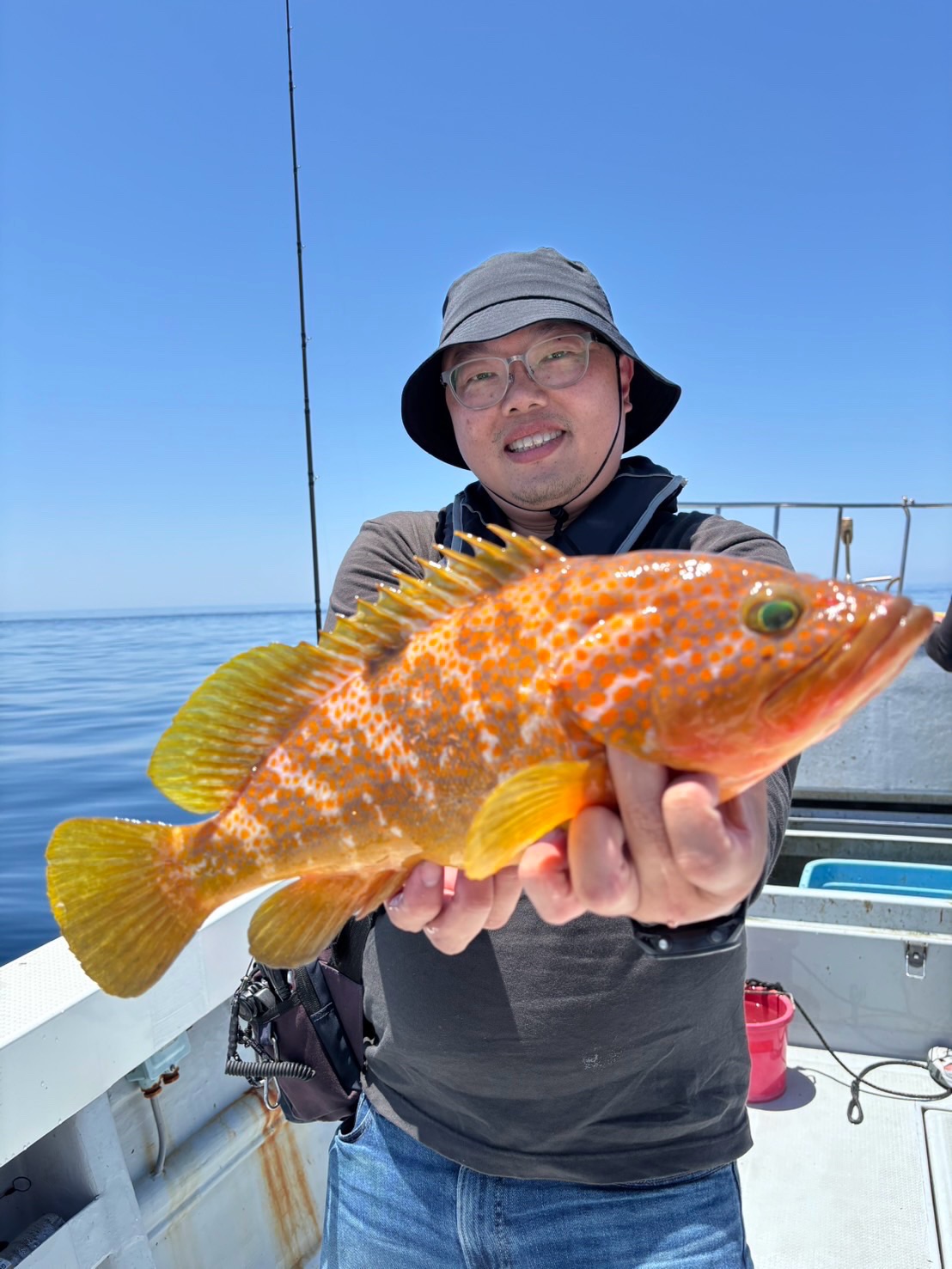
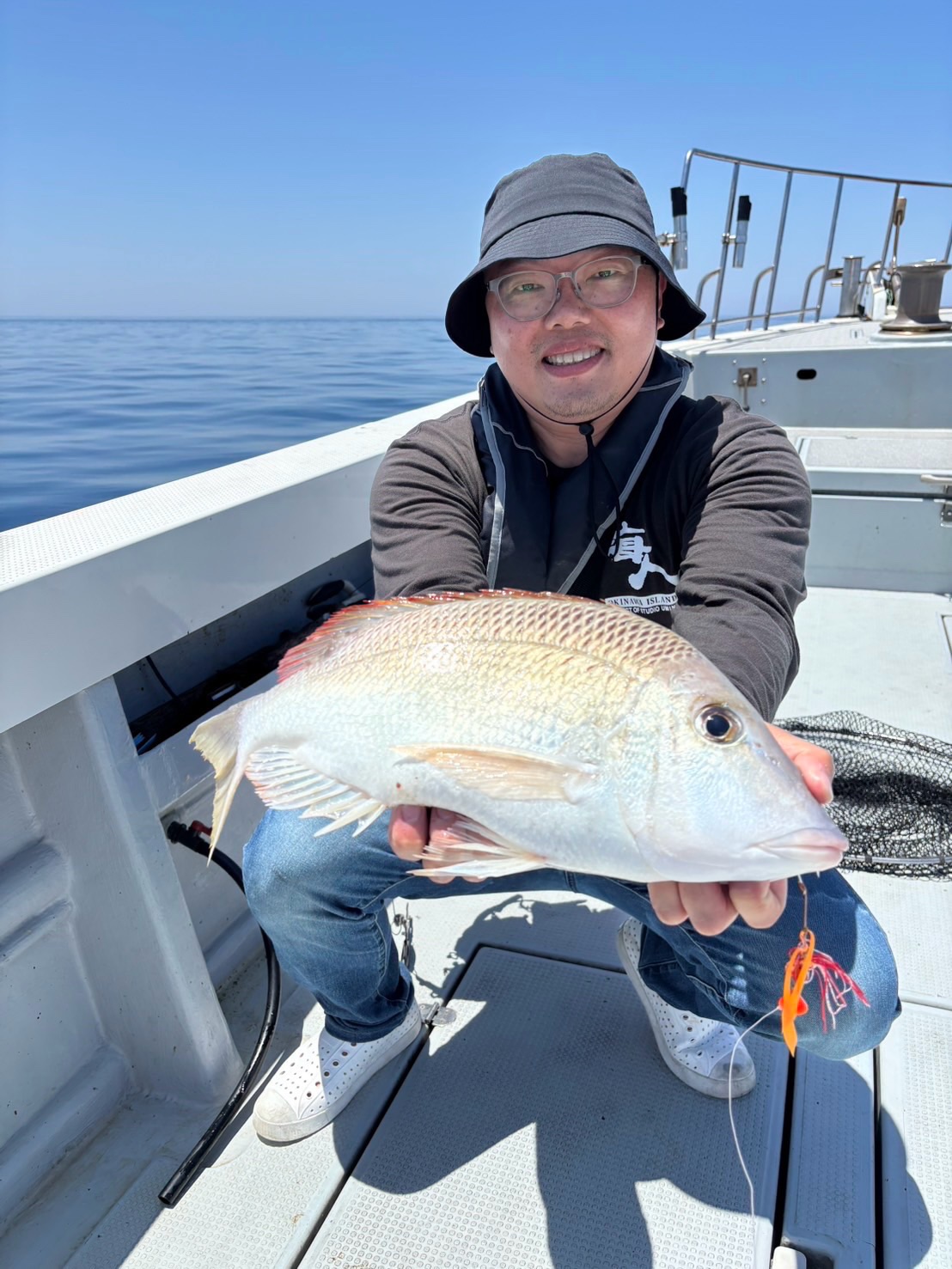
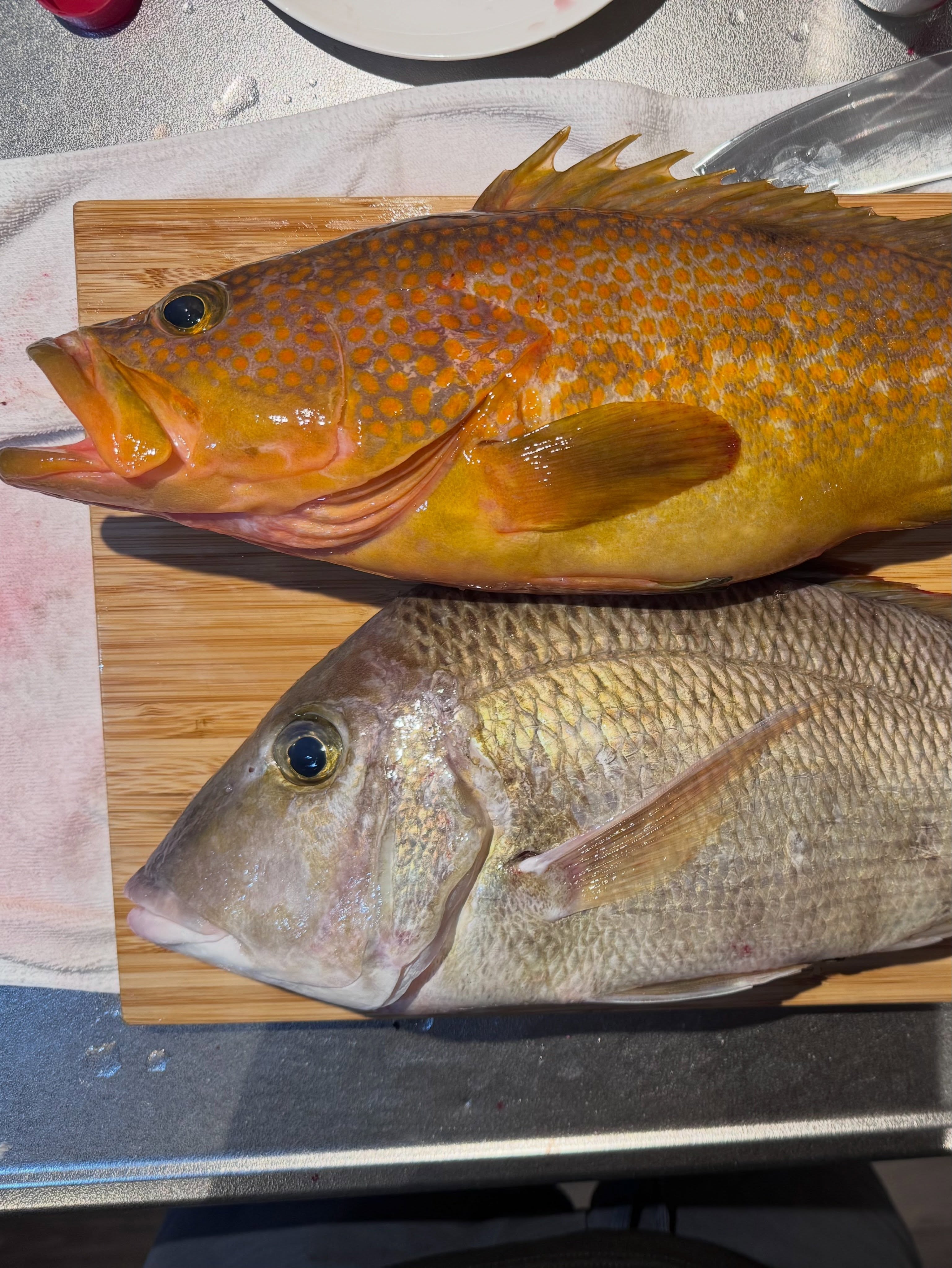
An 80-gram Yudomaru, 90 metres down, braid running dead straight — no belly, no sweep from current. That line told me everything about today’s conditions. The grouper came out of deep structure because of it.
The soft current is the story
Goto carries a serious reputation in Japanese offshore fishing. Dropping 80g that deep with the line holding vertical the whole way, I understood immediately why the place gets talked about. Soft current doesn’t mean comfortable fishing — it means precise fishing. The head sinks clean, the skirt and tie trail freely behind it, and everything the bottom sends back comes through clearly: structure, the subtle thump of a follow, the tap-tap-tap when a fish starts mouthing.
Steady retrieve — hold the rhythm, resist the strike
After the Yudomaru touches bottom: steady retrieve, no jerking, no pauses, nothing extra. The whole technique is the consistency. The sliding head is why this works — when a fish mouths the skirt, it doesn’t feel the weight of the lead because the head slides free on the line. It keeps following, keeps biting. The rod tip starts tapping. You hold the speed. Only when the rod loads fully — when the fish has committed — do you lift into it. Strike early and you pull the hook from a fish that wasn’t done yet.
Grouper from structure
The fish was a grouper — a bottom-hugger holding to rock and broken ground at depth, with the orange-yellow spotting typical of the species. This is exactly what tairaba was built for: fish that follow a slow, steady presentation rather than reacting to speed or sudden direction changes. The clean line got the skirt into their territory. The steady retrieve kept it there long enough.
Next drop, same light head. Knowing the current behaves, I’d work the bottom third longer and let the skirt do more laps. Steady and unhurried — the structure fish don’t go anywhere.